

Cymulate
Exposure Validation
Automate continuous testing to prove the threat,
baseline controls and build stronger security.
Validate Threats. Build Exposure-Informed Defenses.
Validate security control effectiveness and test your defenses against the latest threat activity. Guided and automated control updates optimize security before an attack.
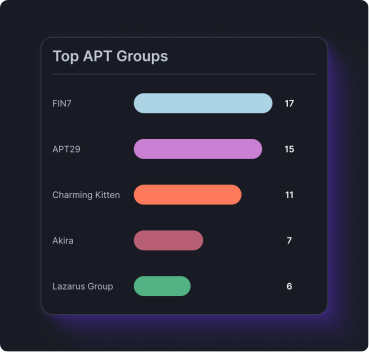
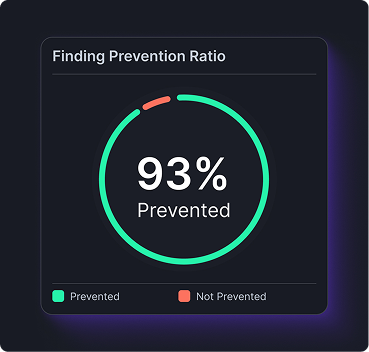
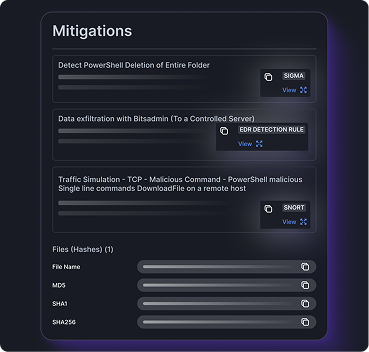
Cymulate Exposure Validation
Benefits & Outcomes
Through automated testing, AI-powered context mapping and its defense engineering control plane, Cymulate Exposure Validation proves resilience against advanced threats and adapts security controls to close gaps and reduce risk.

<1 hour
Test new threats in <1 hour
Automate continuous validation of threats with daily updates of new attacks and campaigns.

30%
30%↑ in threat prevention
Optimize threat prevention by finding your weaknesses and updating security controls.
3X
3X ↑ in threat detection
Build, test and tune new threat detections in hours, not weeks.
60%
60% ↑ in team efficiency
Automate and streamline the most critical and resource-heavy tasks in modern SecOps.
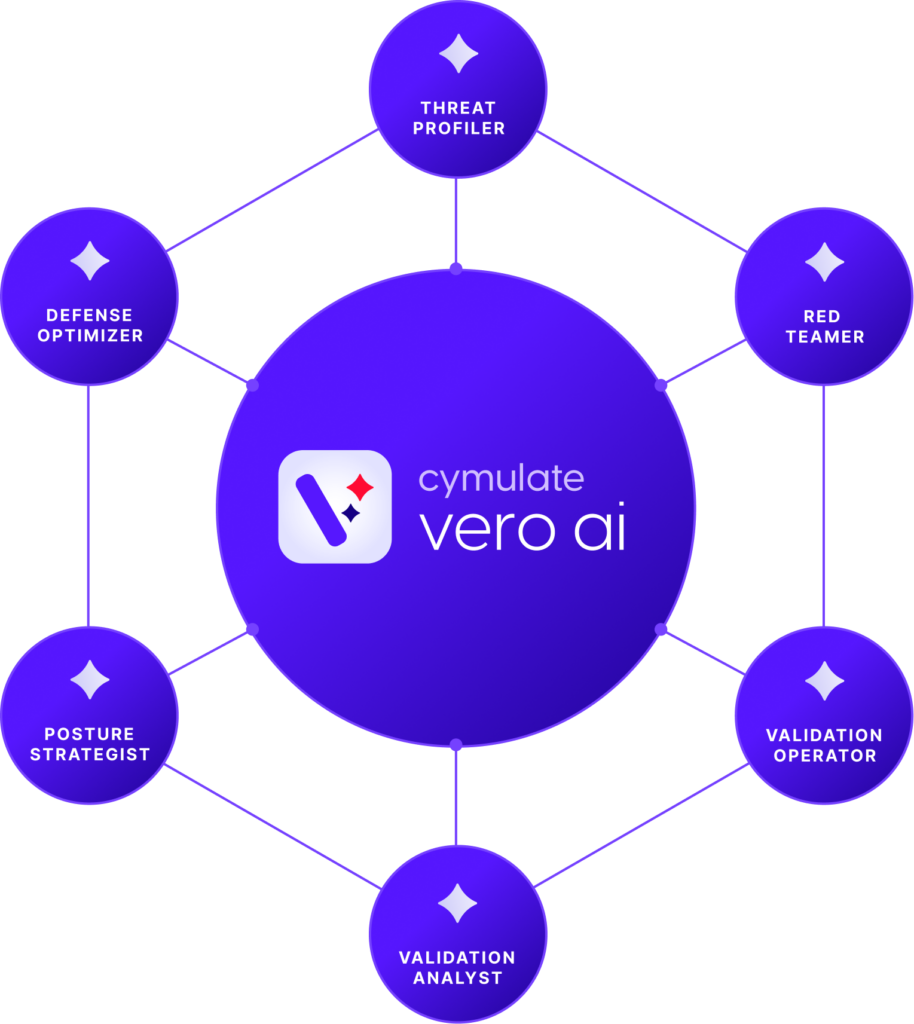
Vero AI Tailors Validation
to Your Threats
and Environment
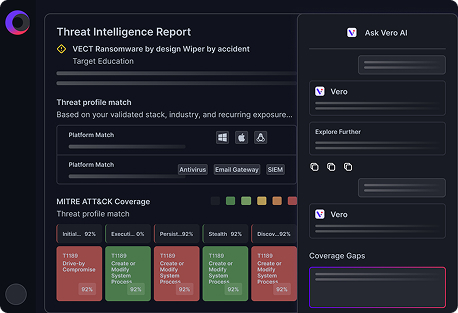
Cymulate Exposure Validation includes Vero AI to design, build and execute offensive testing specific to your environment and threats. With Vero AI, Cymulate analyzes findings into actionable and automated mitigation.
The Cymulate Difference
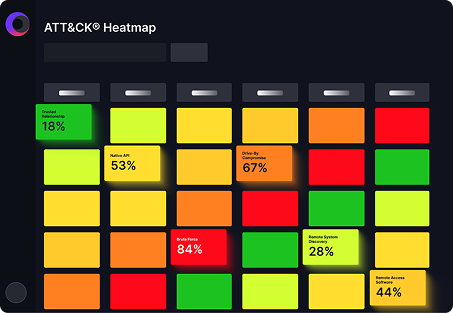
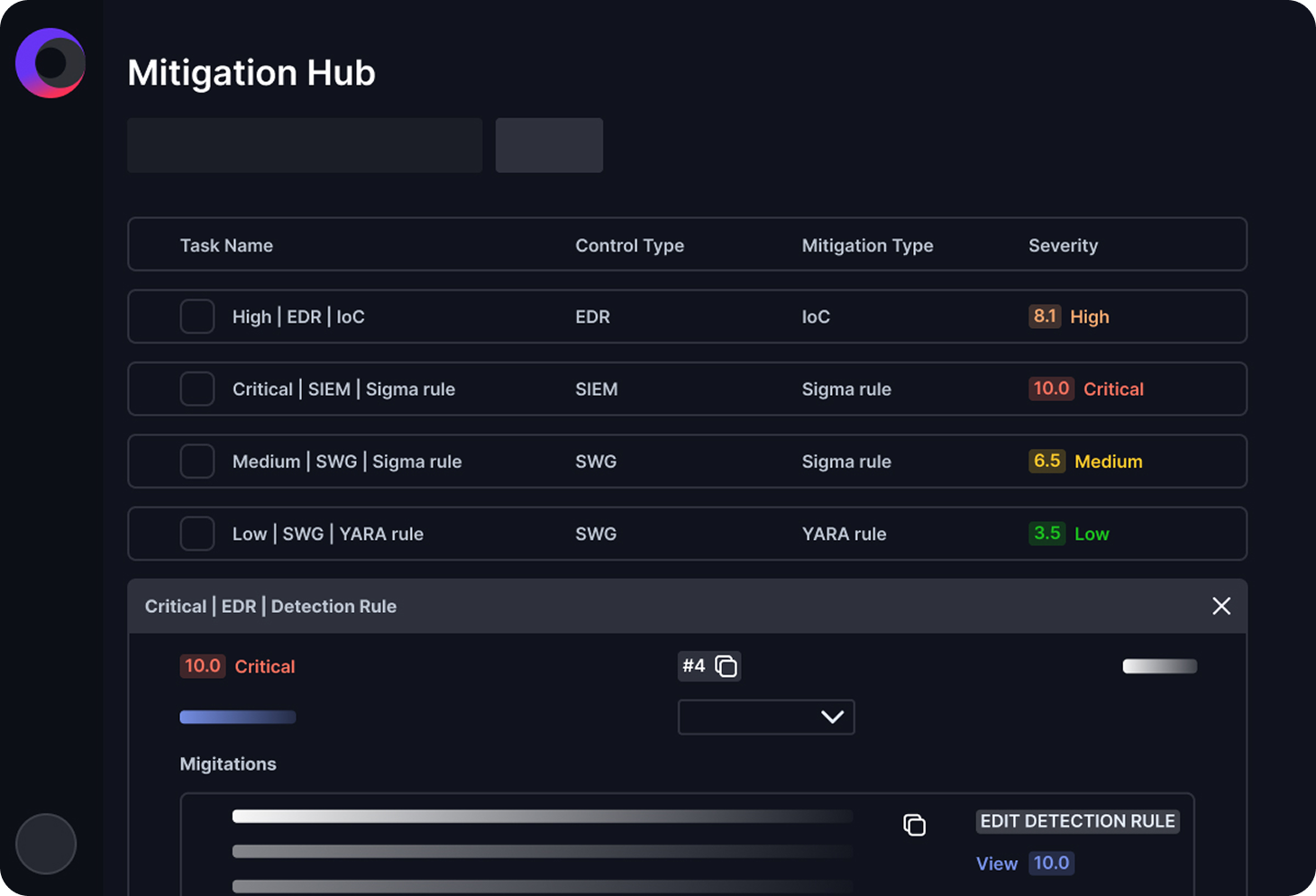
By combining adversarial exposure validation and breach and attack simulation with direct integrations into your security controls and AI-driven workflows, Cymulate goes beyond validation to build exposure-informed defenses.


How it Works
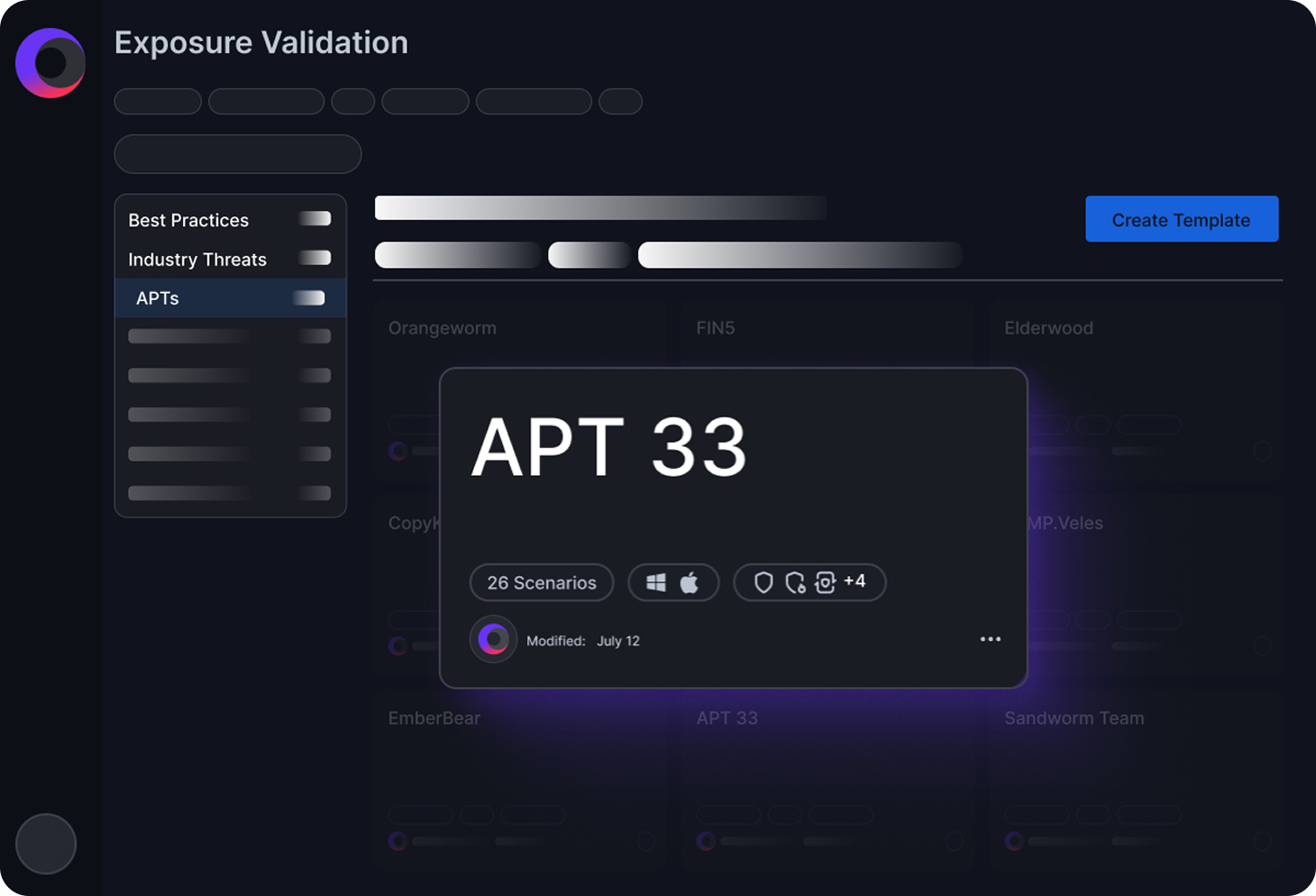
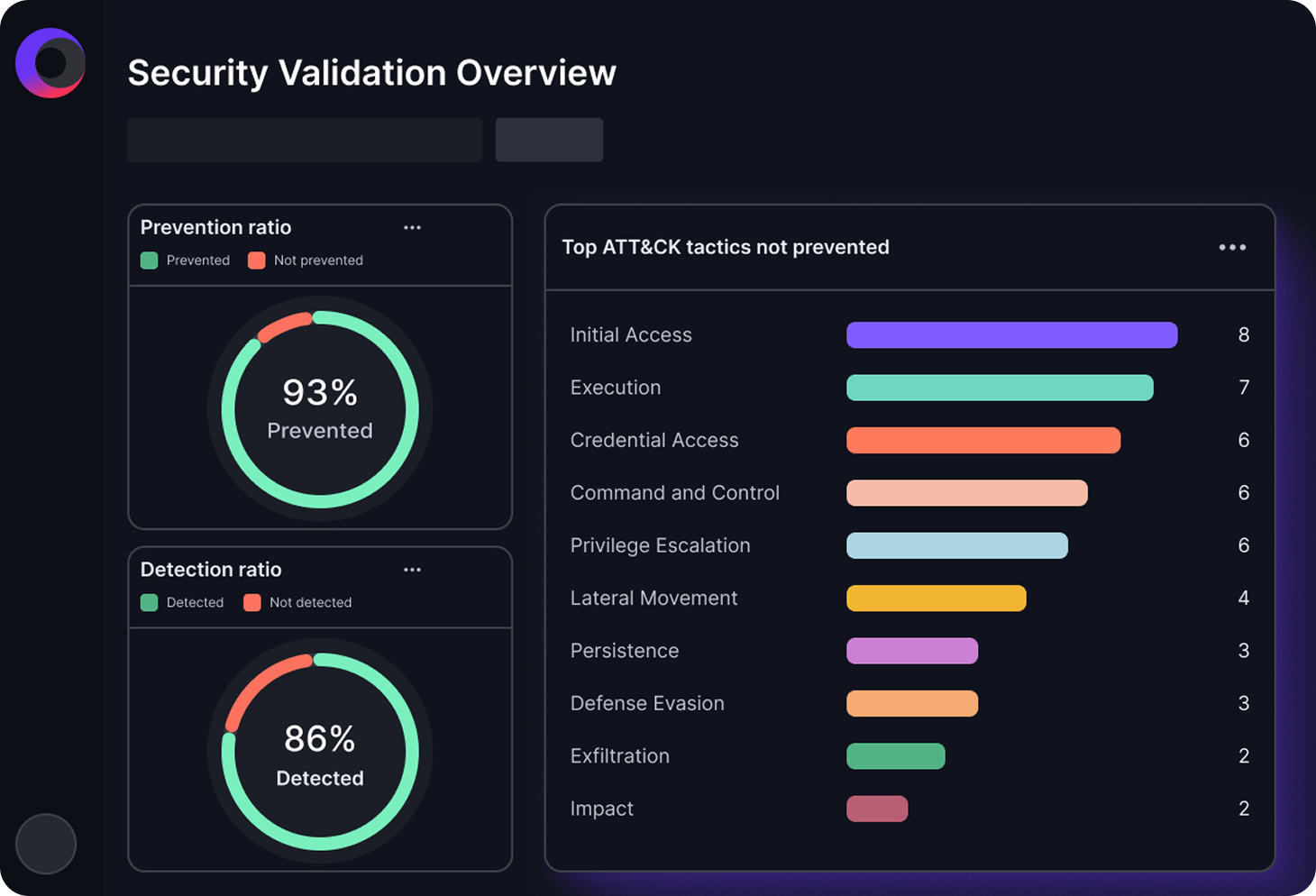

See Cymulate Exposure Validation in Action
Featured Resources
View More Resources
Cymulate Exposure Validation
Learn more about automated attack simulations to test and validate your cyber defenses.

The Truth About Pen Testing
Learn why automated pen testing can’t stack up to exposure validation.

10 Real-World Exposures
Learn why continuous validation is essential to keeping your organization safe.
Exposure Validation FAQs
Exposure validation provides continuous testing to prove the state of cyber defenses against the latest threats. When combined with AI-powered context mapping and a cyber defense control plane, exposure validation delivers agentic cyber defense engineering by customized threat assessments based on the environment, selects the appropriate target base on latest threat intel, safely executes attack simulation, understands control performance for prevention and detection, analyzes testing results to identify the best next action to mitigate risk and deploys relevant control updates for accurate threat prevention and detection.
Exposure validation enhances threat detection by continuously testing whether security controls are functioning as intended against real-world attack techniques. By simulating adversarial behaviors in a safe environment, organizations can verify if threats are detected by their existing tools, such as EDR, SIEM and XDR systems. This proactive approach helps identify blind spots, misconfigurations and detection gaps, enabling security teams to fine-tune alerts, improve rule sets and ensure earlier, more accurate threat identification.
By identifying and closing security gaps before adversaries can exploit them, exposure validation is an integral part of a strategy around reducing cyber risk. By validating exposures in the context of an organization’s unique environment across endpoints, identities, networks and configurations, security teams can prioritize and remediate critical weaknesses based on validated impact. This risk-based approach ensures resources are focused on the most exploitable paths, minimizing the attack surface and significantly lowering the likelihood and potential impact of a breach.
Exposure management is a broad strategy that encompasses identifying, assessing, prioritizing and mitigating security exposures across an organization. Exposure validation is a key component within that strategy, focusing specifically on confirming whether detected exposures are exploitable and if defenses effectively respond to them. While exposure management is ongoing and strategic, exposure validation is tactical and evidence-based, providing the actionable insight needed to support informed risk decisions.
In red and purple teaming exercises, exposure validation is used to measure the effectiveness of both offensive and defensive operations. During red teaming, it confirms whether simulated attacks succeed in bypassing defenses and reaching critical assets. In purple teaming, exposure validation plays a collaborative role, validating whether the blue team detects and responds to attacks in real-time. Measurable feedback is provided to both teams. Exposure validation helps close detection gaps and ensures that improvements are based on verified performance rather than assumptions.