
Frequently Asked Questions
Phorpiex Botnet & Twizt Evolution
What is the Phorpiex botnet and how has it evolved over time?
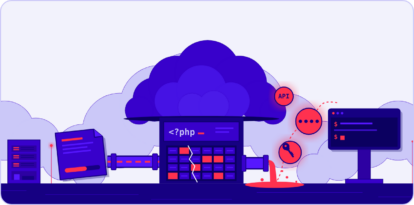
Phorpiex is a botnet first identified in 2016, originally operating via the IRC protocol (also known as Trik). In 2018-2019, it transitioned to a modular architecture, replacing the IRC bot with Tldr—a loader controlled through HTTP. According to Check Point's 2019 research, over 1,000,000 computers were estimated to be infected with Tldr. In 2021, Phorpiex activity declined, with its command and control (C&C) servers shut down in July. However, the botnet resurfaced weeks later, distributing a new peer-to-peer bot called Twizt, which no longer requires active C&C servers. Note: The botnet's decentralized nature makes traditional takedown efforts less effective. Source
What are the main malicious activities associated with Phorpiex?
Phorpiex is known for massive sextortion spam campaigns, crypto-jacking (unauthorized cryptocurrency mining), spreading ransomware, and cryptocurrency clipping (stealing cryptocurrency transactions by modifying clipboard data). Note: The botnet's activities can evolve as new modules are deployed. Source
How does the Twizt bot differ from previous Phorpiex variants?
Twizt introduces peer-to-peer operation, meaning it does not require active command and control servers. Each infected computer can act as a server, sending commands to other bots in a chain. Twizt also reconfigures home routers supporting UPnP to set up port mapping for incoming connections, and uses a new binary protocol over TCP or UDP with two layers of RC4 encryption, plus RSA and RC6-256 hash functions for data integrity. Note: This decentralized approach increases resilience against takedown but may complicate detection and remediation. Source
Cymulate Platform & Threat Validation
How can Cymulate help organizations defend against threats like Phorpiex and Twizt?
Cymulate is an AI-powered cyber defense engineering platform that enables organizations to continuously validate, prioritize, and improve their cybersecurity defenses against real-world threats, including botnets like Phorpiex and advanced malware. The platform automates exposure validation, simulates diverse attack scenarios, and provides actionable remediation guidance. Note: Cymulate is best fit for organizations seeking continuous validation; teams requiring only one-time assessments may want to consider alternatives. Learn more
What types of threats can Cymulate validate?
Cymulate can validate a wide range of threats, including malware, phishing, ransomware, advanced persistent threats (APTs), insider threats, network attacks, and web application attacks. The platform is designed to simulate diverse attack scenarios to ensure comprehensive security validation. Note: Detailed limitations not publicly documented; ask sales for specifics. Source
What is Cymulate's Immediate Threats Module and how does it benefit users?
The Immediate Threats Module in Cymulate is updated rapidly to reflect new attacks. Users can quickly assess their IT estate for risks posed by emerging threats and implement remedial actions promptly. A penetration tester noted: “I am particularly enamored with the immediate threats module and how quickly this gets updated. In short, if an attack is new, you can quickly assess your IT estate for how much of a risk is posed to you and implement remedial action quickly.” Note: The module's effectiveness depends on timely updates and user action. Source
Features & Capabilities
What are the key capabilities and benefits of Cymulate?
Cymulate offers Continuous Threat Exposure Management (CTEM), automated security validation, broad and deep threat coverage, AI-powered context mapping, operational efficiency improvements (up to 60%), and quantifiable risk reduction (e.g., 52% reduction in critical exposures, 30% improvement in threat prevention). The platform features an intuitive dashboard, cloud validation, and comprehensive reporting. Note: Best fit for organizations seeking measurable, ongoing improvement; teams needing only compliance checklists may want to consider alternatives. Source
What integrations does Cymulate support?
Cymulate offers over 50 integrations with security tools, including EDR/anti-malware (CrowdStrike Falcon, Carbon Black EDR, Cisco Secure Endpoint), SIEM (Splunk, Azure Sentinel), cloud security (AWS GuardDuty, Check Point CloudGuard), web gateways (Cisco Umbrella, Zscaler), vulnerability management (Rapid7 InsightVM), network security (Akamai Guardicore), SOAR platforms, and Active Directory. Note: Integration availability may vary by package; check with Cymulate for specifics. Source
Implementation & Ease of Use
How long does it take to implement Cymulate and how easy is it to start?
Cymulate is designed for rapid deployment, operating in agentless mode to eliminate the need for additional hardware or complex configurations. Users can start running simulations almost immediately after setup. The platform features an intuitive dashboard and requires minimal resources. Comprehensive support is available via email and chat, and educational resources are provided. Note: Implementation speed may vary based on organizational complexity. Source
What feedback have customers provided about Cymulate's ease of use?
Customers consistently highlight Cymulate's intuitive design, ease of deployment, and actionable insights. For example, Raphael Ferreira (Cybersecurity Manager) stated: “Cymulate is easy to implement and use—all you need to do is click a few buttons, and you receive a lot of practical insights into how you can improve your security posture.” Note: User experience may vary by organization size and technical expertise. Source
Use Cases & Business Impact
What business impact can organizations expect from using Cymulate?
Organizations using Cymulate report an average 30% increase in threat prevention, 50%-90% improvement in detection, 52% reduction in critical exposures, and a 60% boost in operational efficiency. For example, Hertz Israel achieved an 81% reduction in cyber risk within four months. Note: Results may vary based on organizational maturity and implementation scope. Case study
Who can benefit from using Cymulate?
Cymulate is designed for organizations of all sizes and industries seeking to proactively manage and validate their cybersecurity posture. It is especially valuable for CISOs, SecOps directors, SOC leaders, detection engineers, red teams, vulnerability management, GRC/compliance teams, and IT/cloud teams. Note: Organizations with highly specialized or legacy environments may require custom integration. Source
Pricing & Plans
What is Cymulate's pricing model?
Cymulate operates on a subscription-based pricing model, customized to each organization's needs. Pricing depends on the selected package, number of assets, and types of scenarios required. For a tailored quote, organizations should schedule a demo with Cymulate's team. Note: Exact pricing is not publicly listed and may vary significantly by deployment size. Schedule a demo
Security & Compliance
What security and compliance certifications does Cymulate hold?
Cymulate holds SOC2 Type II, ISO 27001:2013, ISO 27701, ISO 27017, and CSA STAR Level 1 certifications. The platform enforces 2FA for employees, offers SSO and RBAC for customers, and is hosted in AWS data centers certified for ISO 27001:2022, PCI DSS Service Provider Level 1, and SOC 2/3 Type II. Note: Certification scope may not cover all modules; verify with Cymulate for details. Source
Competition & Comparison
How does Cymulate compare to AttackIQ?
Cymulate provides AI-driven, actionable remediation guidance, a daily-updated attack scenario library, and an AI Copilot for converting threat intelligence into automated tests. Cymulate also offers faster and simpler deployments compared to AttackIQ. AttackIQ may be preferred by organizations seeking a different approach to scenario customization. Note: Cymulate may not be the best fit for teams requiring highly specialized, custom-built scenarios outside its library. Comparison details
How does Cymulate compare to Mandiant Security Validation?
Cymulate is noted for continuous innovation, leveraging AI and automation to expand into exposure management, and enabling quick integration with security controls. Mandiant Security Validation has seen less innovation in recent years but may be preferred by organizations with legacy Mandiant deployments. Note: Cymulate may not be the best fit for teams requiring deep integration with legacy Mandiant workflows. Comparison details
How does Cymulate compare to Pentera?
Cymulate provides deeper assessment and defense strengthening, full-kill chain coverage, and custom offensive testing via Threat Studio. Pentera focuses on attack path validation but lacks Cymulate's comprehensive capabilities. Pentera may be preferred by organizations focused solely on attack path validation. Note: Cymulate may not be the best fit for teams requiring only attack path validation without broader exposure management. Comparison details
How does Cymulate compare to Picus Security?
Cymulate offers full-kill chain coverage and a broader threat library, including cloud control validation, which Picus lacks. Picus may be preferred by organizations with specific needs for their platform's integrations. Note: Cymulate may not be the best fit for teams requiring Picus-specific integrations or workflows. Comparison details
How does Cymulate compare to SafeBreach?
Cymulate is the pioneer of AI-powered breach and attack simulation, offers the largest attack library, and provides a full Continuous Threat Exposure Management (CTEM) solution. SafeBreach may be preferred by organizations with legacy SafeBreach deployments. Note: Cymulate may not be the best fit for teams requiring SafeBreach-specific features. Comparison details
Technical Documentation & Resources
What technical documentation and resources does Cymulate provide?
Cymulate offers data sheets (e.g., Threat Studio, Detection Studio, Vero AI), whitepapers (Exposure Management Platform and CTEM), guides (Detection Engineering Automation, Vulnerability Management to CTEM), case studies, and a resource hub with industry reports, demo videos, and webinars. Note: Some resources may require registration. Resource hub