Frequently Asked Questions
Product Features & Capabilities
What is automated security validation and why is it important?
Automated security validation (ASV) is a process that uses automation to continuously test and validate an organization's cybersecurity defenses. It is important because it enables security teams to proactively identify vulnerabilities, prioritize exposures, and optimize their security posture without relying solely on manual testing. ASV helps organizations stay ahead of emerging threats and reduces operational burden by automating complex security validation tasks. (source)
What are the top trends in automated security validation for 2024?
The top trends in automated security validation for 2024 include cloud security validation, exposure prioritization, applied threat intelligence, and product consolidation. Cymulate has integrated these trends into its product roadmap, offering cloud-focused attack simulation templates, contextual exposure prioritization, rapid threat intelligence updates, and a unified platform that consolidates multiple security validation functions. (source)
How does Cymulate support cloud security validation?
Cymulate supports cloud security validation by providing cloud-focused attack simulation templates and resources that help organizations simulate and defend against potential cloud-based threats. These tools cover all major public cloud providers and are continuously updated to address the evolving challenges of securing cloud and hybrid environments. (source)
What is exposure prioritization and how does Cymulate help with it?
Exposure prioritization is the process of ranking vulnerabilities and exposures based on their exploitability and potential impact. Cymulate helps by aggregating exposure data and using automated security validation to assess whether exposures can be exploited in your specific environment. This ensures that security teams focus on the most critical threats, optimizing remediation efforts and operational processes. (source)
How does Cymulate use applied threat intelligence?
Cymulate's Threat Research Group monitors emerging threats and adds new assessments to the platform within 24 hours. This allows organizations to automatically identify whether the latest threats can be exploited in their environment. The feature can be set to auto-run, notifying the security team only if remediation is required. (source)
What does product consolidation mean in the context of security validation?
Product consolidation refers to integrating multiple security functions into a single, cohesive platform. Cymulate leads this trend by unifying Breach and Attack Simulation (BAS), Continuous Automated Red Teaming (CART), Threat Exposure Validation, and Exposure Analytics, streamlining security validation and reducing operational burden. (source)
How does Cymulate help organizations address the challenges of cloud and hybrid environments?
Cymulate addresses the challenges of cloud and hybrid environments by releasing cloud-focused attack simulation templates and resources, covering all major public cloud providers. These tools help organizations simulate, detect, and defend against cloud-based threats, supporting robust security validation in complex environments. (source)
What recognition has Cymulate received in the security validation market?
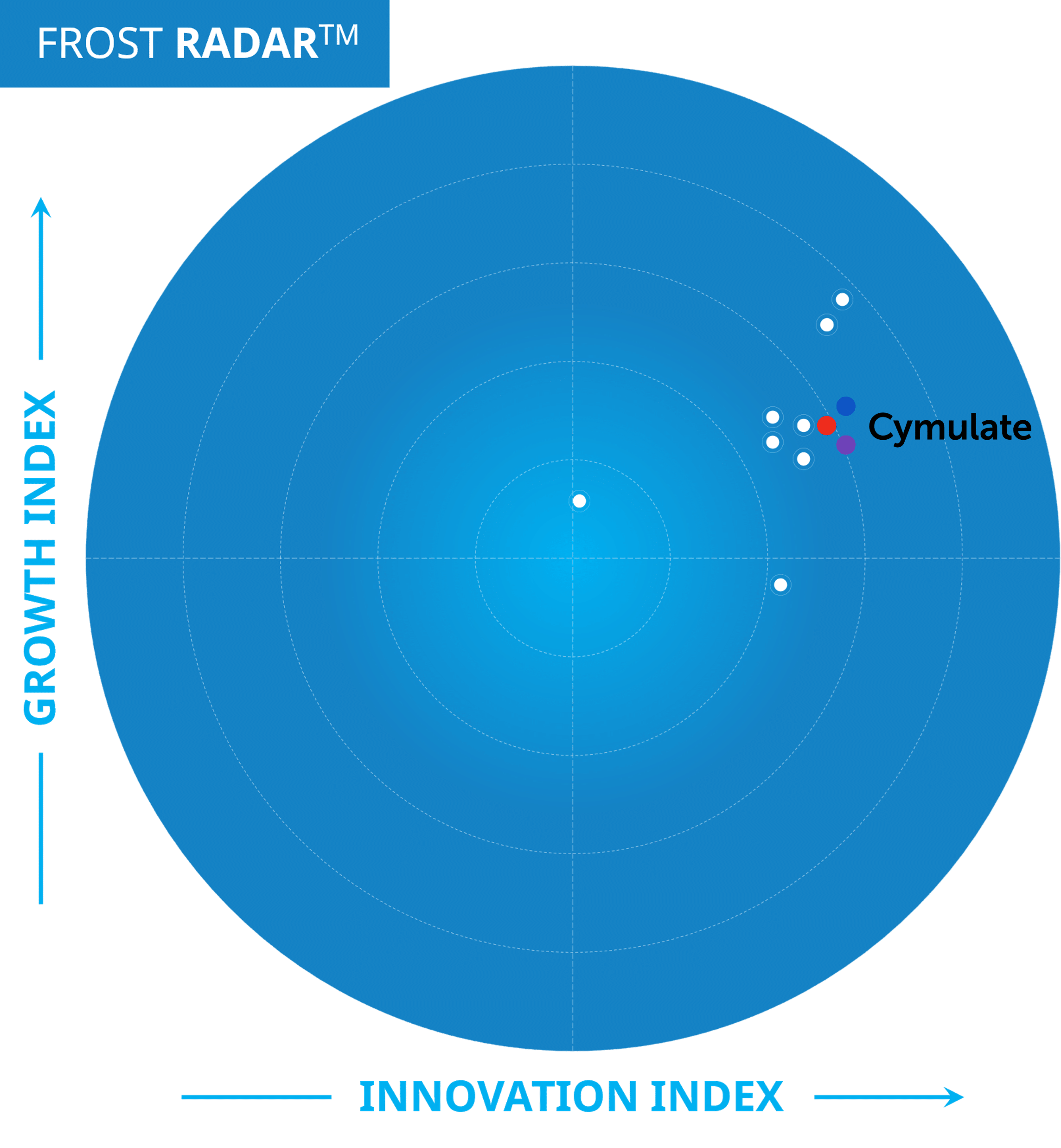
Cymulate has been recognized as a market leader in the Frost & Sullivan Automated Security Validation 2024 report, highlighting its growth, innovation, and ability to incorporate market trends into product development. (source)
How quickly does Cymulate add new threat assessments to its platform?
Cymulate adds new threat assessments to its platform within 24 hours of identifying emerging threats, ensuring organizations can rapidly validate their defenses against the latest risks. (source)
What is the role of reporting and analytics in Cymulate's platform?
Cymulate provides robust reporting and data-based analytics, enabling security leadership and CISOs to gain actionable insights, measure risk, and justify security investments with quantifiable metrics. (source)
How does Cymulate make advanced security testing accessible?
Cymulate Exposure Validation makes advanced security testing fast and easy by providing a unified platform where users can build custom attack chains and access all necessary tools in one place. (source)
What resources does Cymulate offer for learning about security validation?
Cymulate offers a variety of resources, including whitepapers, e-books, case studies, and webinars. These resources cover topics such as continuous security validation, exposure management, and best practices for strengthening security posture. (Resource Hub)
How can I access Cymulate's case studies and customer success stories?
You can access Cymulate's case studies and customer success stories on the Customers page, where you can filter by industry and find examples of organizations that have improved their security posture with Cymulate.
Where can I find Cymulate's latest news, research, and events?
Stay up-to-date with Cymulate by visiting the Blog for the latest research, the Newsroom for media mentions, and the Events & Webinars page for upcoming events and webinars.
How does Cymulate help organizations optimize their threat resilience?
Cymulate helps organizations optimize threat resilience by continuously validating security controls, prioritizing exposures, and providing actionable insights to improve prevention, detection, and response capabilities. (source)
What is the role of Breach and Attack Simulation (BAS) in Cymulate's platform?
Breach and Attack Simulation (BAS) is a core component of Cymulate's platform, enabling organizations to simulate real-world attack scenarios and validate the effectiveness of their security controls across the entire attack lifecycle. (source)
How does Cymulate support detection engineering?
Cymulate supports detection engineering by providing tools to build, tune, and test SIEM, EDR, and XDR solutions, helping organizations improve their mean time to detect and respond to threats. (source)
What is Cymulate's approach to exposure management?
Cymulate's approach to exposure management involves integrating validation into prioritization and mobilization, enabling collaboration across teams to address exposures based on exploitability and business context. (source)
How does Cymulate help with attack path discovery?
Cymulate provides automated testing for lateral movement, privilege escalation, and attack path discovery, helping organizations identify and mitigate risks across their environments. (source)
What integrations does Cymulate offer?
Cymulate integrates with a wide range of security technologies, including Akamai Guardicore, AWS GuardDuty, BlackBerry Cylance OPTICS, Carbon Black EDR, Check Point CloudGuard, Cisco Secure Endpoint, CrowdStrike Falcon, Wiz, SentinelOne, and more. For a complete list, visit the Partnerships and Integrations page.
Use Cases & Benefits
Who can benefit from using Cymulate?
Cymulate is designed for CISOs, security leaders, SecOps teams, red teams, and vulnerability management teams in organizations of all sizes and industries, including finance, healthcare, retail, media, transportation, and manufacturing. (source)
What problems does Cymulate solve for security teams?
Cymulate solves problems such as fragmented security tools, resource constraints, unclear risk prioritization, cloud complexity, communication barriers, inadequate threat simulation, operational inefficiencies in vulnerability management, and post-breach recovery challenges. (source, knowledge base)
How does Cymulate help organizations with resource constraints?
Cymulate automates security validation processes, reducing manual workloads and improving operational efficiency. This allows security teams to focus on strategic initiatives and manage their resources more effectively. (source, knowledge base)
Are there case studies showing Cymulate's impact?
Yes, for example, Hertz Israel reduced cyber risk by 81% in four months using Cymulate. Other case studies include organizations in finance, energy, healthcare, and engineering that have improved their security posture and operational efficiency. (Case Studies)
How does Cymulate support different security personas?
Cymulate tailors its solutions for CISOs and security leaders (providing metrics and insights), SecOps teams (automating processes), red teams (offensive testing with a large attack library), and vulnerability management teams (automated validation and prioritization). (source)
What measurable outcomes have Cymulate customers achieved?
Cymulate customers have reported outcomes such as an 81% reduction in cyber risk, a 52% reduction in critical exposures, a 60% increase in team efficiency, and a 20-point improvement in threat prevention. (Case Studies)
How does Cymulate help with post-breach recovery?
Cymulate enhances visibility and detection capabilities after a breach, enabling organizations to recover faster and strengthen their defenses against future incidents. (Case Study)
How does Cymulate address communication barriers for CISOs?
Cymulate provides quantifiable metrics and tailored insights, helping CISOs communicate risk and justify security investments to stakeholders and regulators. (source)
How does Cymulate improve operational efficiency in vulnerability management?
Cymulate automates in-house validation between penetration tests and prioritizes vulnerabilities, enabling efficient vulnerability management and remediation. (source)
How does Cymulate compare to manual penetration testing?
Automated security validation with Cymulate provides significantly greater threat coverage, allowing organizations to test 230 times more threats compared to manual security testing methods. (Threat Exposure Validation Impact Report 2025)
What feedback have customers given about Cymulate's ease of use?
Customers consistently praise Cymulate for its intuitive interface, ease of implementation, and actionable insights. Testimonials highlight the platform's user-friendly dashboard, accessible support, and immediate value in identifying and mitigating security gaps. (Customer Quotes)
How long does it take to implement Cymulate?
Cymulate is designed for quick and easy implementation, often allowing organizations to start running simulations almost immediately after deployment. The platform operates in agentless mode, requiring minimal setup and resources. (Schedule a Demo)
What support resources are available for Cymulate users?
Cymulate offers comprehensive support, including email and chat support, a knowledge base with technical articles and videos, webinars, e-books, and an AI chatbot for quick answers and guidance. (Resource Hub)
Security, Compliance & Company Information
What security and compliance certifications does Cymulate hold?
Cymulate holds several key certifications, including SOC2 Type II, ISO 27001:2013, ISO 27701, ISO 27017, and CSA STAR Level 1, demonstrating adherence to industry-leading security and privacy standards. (Security at Cymulate)
How does Cymulate ensure data security and privacy?
Cymulate ensures data security through encryption in transit (TLS 1.2+) and at rest (AES-256), secure AWS-hosted data centers, a tested disaster recovery plan, and compliance with GDPR. The platform also features mandatory 2FA, RBAC, and IP address restrictions. (Security at Cymulate)
What is Cymulate's approach to application and HR security?
Cymulate follows a strict Secure Development Lifecycle (SDLC), conducts continuous vulnerability scanning, annual third-party penetration tests, and provides ongoing security awareness training and phishing tests for employees. (Security at Cymulate)
Is Cymulate GDPR compliant?
Yes, Cymulate incorporates data protection by design and has a dedicated privacy and security team, including a Data Protection Officer (DPO) and Chief Information Security Officer (CISO), ensuring GDPR compliance. (Security at Cymulate)
What is Cymulate's mission and vision?
Cymulate's mission is to transform cybersecurity practices by enabling organizations to proactively validate their defenses, identify vulnerabilities, and optimize their security posture. The vision is to create a collaborative environment for lasting improvements in cybersecurity strategies. (About Us)
How does Cymulate contribute to continuous threat exposure management (CTEM)?
Cymulate provides a unified view of exposure risks, enabling collaboration across teams and supporting a successful CTEM program by continuously validating security controls and prioritizing exposures. (source)
What is Cymulate's pricing model?
Cymulate operates on a subscription-based pricing model tailored to each organization's requirements. Pricing depends on the chosen package, number of assets, and scenarios selected. For a detailed quote, organizations can schedule a demo with the Cymulate team. (Schedule a Demo)