

Cyber Threats in the Seams
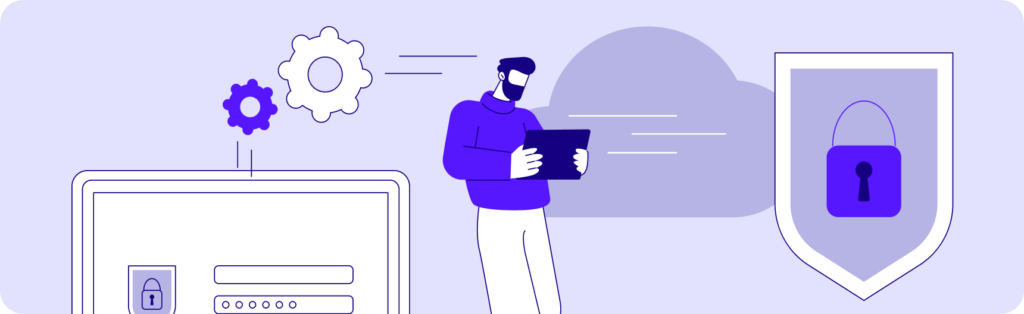
It’s easy for even the most vigilant security teams to overlook a critical reality: no one fully understands all the vulnerabilities and potential for cyber exploitation within complex organizations. As technology ecosystems grow, systems and applications within different business units often operate in isolation, each serving distinct functions with limited visibility into each other’s security landscape. This fragmentation leaves gaps—hidden "seams"—where cyber threats can thrive undetected, slipping through the cracks between systems that weren’t designed to work together yet interact in ways that open unforeseen avenues for exploitation.
Adjacent business units may have overlapping roles or unclear boundaries, making it difficult to pinpoint precisely who holds the keys to critical systems or data. This ambiguity raises a troubling question: If no single entity fully grasps the scope of its exposure, how can anyone effectively defend against it?
This is where continuous cyber threat exposure management (CTEM) enters the picture, aiming to shed light on these blind spots. By continuously identifying, assessing and prioritizing threats, CTEM with validation can help bridge these silos of uncertainty, equipping security teams and business units alike with the insight needed to manage and mitigate risks that, left unchecked, could lead to severe material impacts.
Shifting From Silos to Validation
In an ever-evolving cyber landscape, security operations teams face the ongoing challenge of defending against threats in an environment characterized by constant change and limited control. Threats morph and adapt faster than traditional defenses can manage, and with new applications and systems deployed across business units, vulnerabilities emerge faster than teams can address. This dynamic creates a pressing need for a strategy that can validate actual threat exposure across these silos.
Comprehensive CTEM platforms answer this need by embedding security validation directly into exposure analysis. Integrating real-time insights into how defenses hold up against real-world attack simulations gives security teams the ability to assess what’s exploitable. This shift from reactive measures to continuous validation breaks down operational silos, enabling security operations to focus on exploitable vulnerabilities rather than theoretical risks. It’s about aligning remediation efforts with the threat landscape—prioritizing what matters most.
For a CTEM platform to deliver this level of impact, it must go beyond isolated vulnerability scans or static assessments. This means they must correlate the effectiveness of security controls and integrate threat intelligence and factors into the business context. This comprehensive view strengthens defenses and ensures that teams optimize their security posture, track their resilience and measure improvements.
Critical capabilities within a CTEM platform include automated security validation through real-world attack simulations, exposure prioritization and continuous testing. These features enable security teams to transition from a reactive approach to a proactive one, where risks are addressed before they’re exploited. By leveraging breach and attack simulations, automated red teaming and exposure validation, organizations gain control over their cybersecurity efforts, focusing resources on what truly matters. The results speak for themselves: measurable gains in team efficiency, reduced vulnerabilities and tangible improvements in security risk.
A 360-Degree Cybersecurity Strategy: Discover, Validate, Analyze and Remediate
An effective cybersecurity strategy requires a comprehensive approach. Simply identifying vulnerabilities is no longer enough; organizations need a 360-degree view that reveals their true exposures and allows them to respond with agility and precision. This strategy begins with discovery, continues through validation and analysis, and culminates in remediation. Each phase builds on the previous, continuously improving security posture and resilience, creating a closed-loop process.
Discover: illuminating the full exposure landscape The first step in a 360-degree strategy is understanding the full scope of potential exposures. This requires a holistic view across the organization, integrating data from multiple sources to ensure nothing is overlooked. Organizations can pull relevant information from various systems, applications and environments by aggregating exposure data through API integrations.
To prioritize effectively, each exposure's scope is defined by assigning business context and potential impact, turning raw data into actionable insights. Optional external scanning provides a view from an attacker’s perspective, uncovering exposures that may not be visible from an internal vantage point. This discovery phase sets the foundation for a proactive defense strategy, establishing visibility into every corner of the organization’s risk landscape.
Validate: testing defenses with real-world scenarios
Once exposures have been mapped, the next step is to validate defenses in realistic conditions. Automated security validation tools assess the effectiveness of security controls against real-world threats, ensuring that theoretical protections hold up under practical scrutiny. Full kill-chain simulations replicate the tactics, techniques and procedures (TTPs) used by attackers, while red team automation enables customized campaigns that target specific threat profiles unique to the organization.
Advanced AI capabilities, like the AI Copilot: Attack Planner, directly bring expert red team insights into the platform. Security teams can use natural language prompts to design and execute sophisticated threat assessments, scaling red team expertise with AI-powered automation. This validation phase is crucial for moving beyond a checklist of controls, allowing teams to focus on what truly matters: resilience against realistic threats.
Analyze: correlating insights for true threat prioritization
After validation, the next phase is analysis. This is where exposure data, security control performance and threat intelligence come together in a cohesive picture. Rather than isolating each element, CTEM platforms correlate these layers, focusing on validated exposures that represent real risk. By factoring in the business context, organizations gain clarity on where they are most vulnerable and can prioritize based on potential impact.
This correlation is essential for identifying the most pressing threats, allowing teams to focus on exposures that could realistically be exploited. With a clear view of validated risks, the analysis phase ensures that resources are allocated efficiently and that meaningful data, not assumptions, drive security operations.
Remediate: strengthening defenses through targeted action
The final phase, remediate, turns insight into action. With a prioritized list of exposures and validated insights into control effectiveness, security teams can focus on hardening defenses in a targeted way. Custom mitigation rules and remediation guidance tailored to the organization’s unique environment enable efficient responses to real threats.
In this phase, CTEM goes beyond simple patching. It empowers security teams to optimize their defenses proactively, developing a customized mitigation approach that reduces risk while enhancing cyber resilience. Continuous improvement is baked into this approach, with each iteration refining defenses based on lessons learned from prior validations and analyses.
A 360-degree cybersecurity strategy is not just about identifying vulnerabilities; it's about understanding and validating accurate exposure, correlating critical insights and acting where it matters most. This end-to-end approach provides organizations with a proactive stance, reducing risk exposure and reinforcing resilience through a continuous discovery, validation, analysis and remediation cycle. With CTEM, organizations can reclaim control over their cyber defenses, adapting as the threat landscape evolves and focusing resources where they make the most impact.
TAG’s Take: Why a 360-Degree Cybersecurity Strategy is Essential
In an industry where threats are constantly evolving and business systems are increasingly interconnected, the 360-degree cybersecurity strategy provided by a robust CTEM platform isn’t just a luxury—it’s a necessity. This approach addresses many organizations' key pain points today: fragmented visibility, reactive security postures, and the lack of real-time threat validation.
Enhanced visibility and risk comprehension: CTEM’s discovery phase gives organizations unprecedented visibility across all systems and applications, breaking down the traditional barriers between business units. Aggregating exposure data from multiple sources and integrating it with the business context ensures that security decisions are informed by a comprehensive risk landscape rather than isolated assessments.
Validation as a game-changer for resilience: Continuous validation through real-world simulations and automated red teaming adds a new level of assurance to an organization’s defenses. Rather than relying solely on hypothetical risk assessments, security teams can validate their readiness against realistic threat scenarios. This builds resilience and shifts the security posture from reactive to proactive—allowing organizations to stay ahead of potential threats rather than constantly playing catch-up.
Data-driven prioritization of remediation efforts: CTEM’s analytical capabilities clarify what matters. By correlating controls, threat intelligence, and business impact, the platform provides actionable insights that allow security teams to focus on the highest-priority risks. This structured, data-driven approach helps allocate resources effectively, ensuring that efforts are focused on remediating exploitable vulnerabilities that could cause actual harm.
Efficiency gains and continuous improvement: The remediation phase provides customized mitigation strategies, helping teams strengthen defenses with targeted actions. Organizations benefit from a self-improving security posture by continuously cycling through discovery, validation, analysis, and remediation. The metrics gathered through this process offer clear, measurable insights into team efficiency, vulnerability reduction, and overall security improvement, helping organizations demonstrate the tangible value of their cybersecurity investments.
A 360-degree cybersecurity strategy via CTEM is not just about safeguarding assets; it’s about transforming how organizations understand and manage their exposure. This approach empowers security teams to act precisely, reduces inefficiencies, and provides a strong foundation for adapting to the ever-changing cyber landscape. For analysts and decision-makers alike, this strategy is invaluable in building a resilient, forward-looking cybersecurity framework.
About TAG
TAG is a trusted research and advisory group providing unbiased industry insights and recommendations on cybersecurity, artificial intelligence, sustainability, and related areas to Fortune 500 customers, government agencies, and commercial vendors. Founded in 2016, the company bucks the trend of pay-for-play research by offering in-depth research, market analysis, consulting, and personalized content based on thousands of engagements with clients and non-clients alike—all from a practitioner perspective.
Copyright © 2024 TAG Infosphere, Inc. This report may not be reproduced, distributed, or shared without TAG Infosphere’s written permission. The material in this report is comprised of the opinions of the TAG Infosphere analysts and is not to be interpreted as consisting of factual assertions. All warranties regarding the correctness, usefulness, accuracy, or completeness of this report are disclaimed herein.

Featured Resources
View More Resources
Post-Mythos Security: How Security Teams Can Build an AI-Accelerated Defense Loop
Build an AI-accelerated defense loop to validate exposure, prioritize proven risk, adapt controls and re-prove resilience.

Inside the Agentic Cyber Defense Engineering Architecture: How it Works
Agentic cyber defense engineering requires more than adding AI to isolated security tasks. It requires an agentic cyber defense engineering
Trusted by Design? How Headless Claude Code Executed Host Commands Through Repository-Controlled Git Configuration
Imagine an automated code-review service receiving a complete project archive, including its hidden .git metadata, and launching Claude Code to