Frequently Asked Questions
Threat Research & Updates
What is the Cymulate Threat Research Update webinar series?
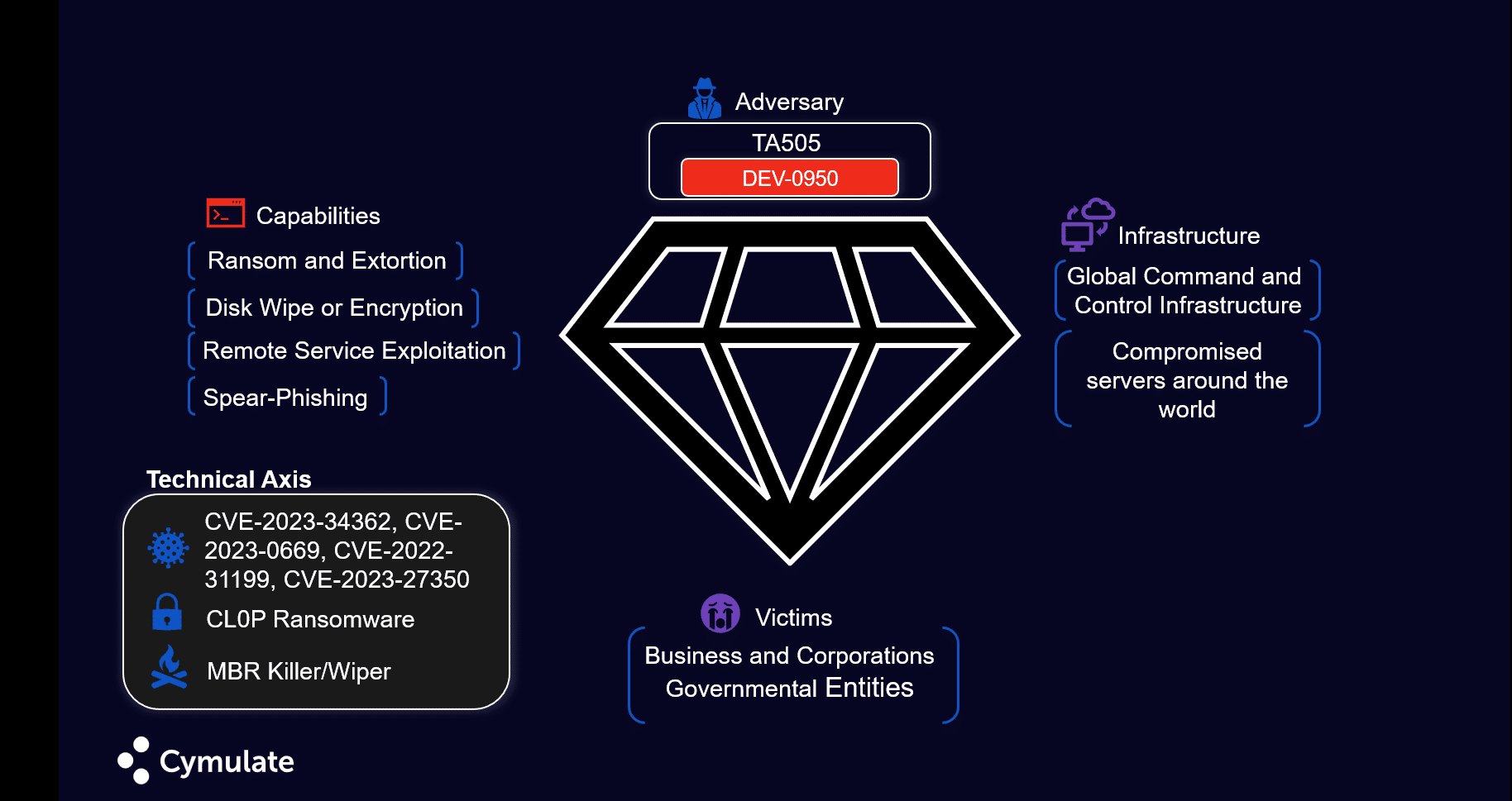
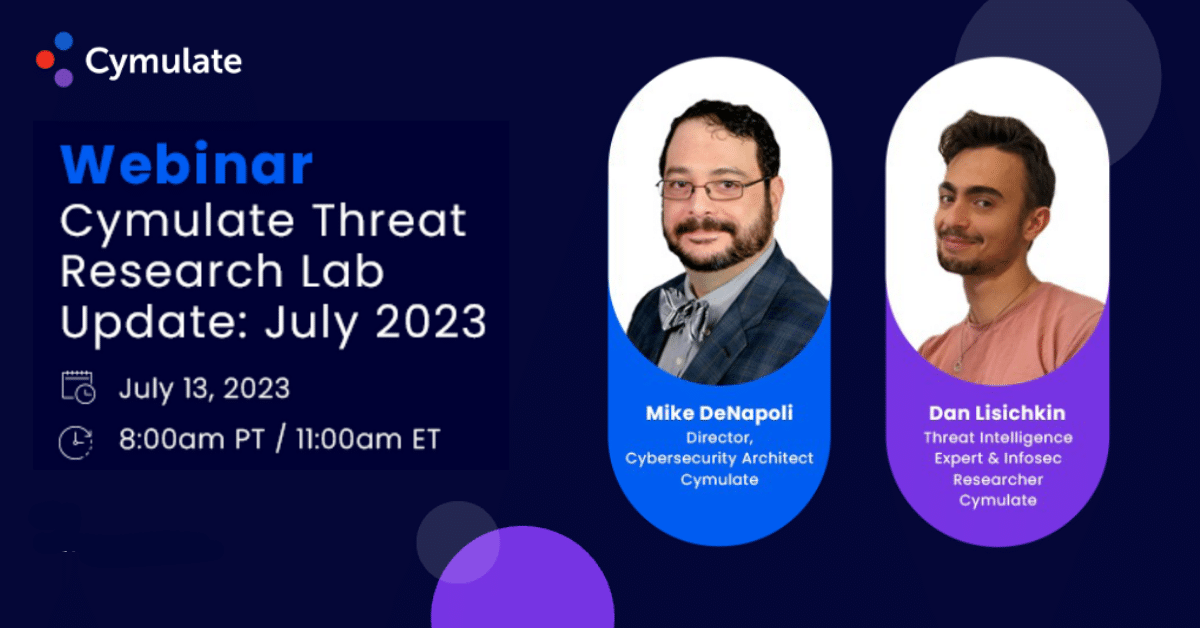
The Cymulate Threat Research Update webinar series provides in-depth analysis of the latest cyber threats, blending both red team (offensive) and blue team (defensive) perspectives. Each episode features expert breakdowns of real-world attacks, such as the MOVEit Transfer 0-day (CVE-2023-34362) exploited by the CL0P ransomware group, and offers actionable recommendations for organizations to improve their defenses. Notable experts include Dan Lisichkin (threat researcher) and Mike DeNapoli (cybersecurity architect and analyst). Watch the latest webinar replay. Note: The series is most valuable for security professionals seeking both technical and strategic insights; those looking for only high-level summaries may find it too detailed.
How does Cymulate replicate and analyze emerging threats?
Cymulate's threat research team dissects real-world attacks, such as ransomware campaigns, by analyzing each phase of the intrusion, profiling threat actors, and replicating attack techniques in a controlled environment. This approach enables proactive detection and blocking of threats before they impact organizations. The team provides actionable recommendations and updates the platform with new threat simulations daily. Note: Detailed technical replication may require advanced security knowledge to fully utilize.
How often does Cymulate update its threat intelligence and attack simulations?
Cymulate provides daily threat updates, including a 24-hour SLA for new CISA/US-CERT advisories. The platform's threat library covers the full MITRE ATT&CK framework and is updated with the latest attack techniques and campaigns, allowing organizations to test their defenses against current threats. Note: Organizations with highly specialized or proprietary threat models may require custom scenario development beyond the standard library. (Source: https://cymulate.com/platform/)
Features & Capabilities
What are the key features and benefits of Cymulate?
Cymulate offers end-to-end visibility of your security posture, automated security control validation, a comprehensive threat simulation library, and actionable remediation guidance. Key benefits include a 52% average reduction in critical exposures, 30% increase in threat prevention, 3X increase in threat detection, and a 60% increase in team efficiency. The platform is designed for rapid deployment (hours or days) and features an intuitive interface accessible to both technical and non-technical users. Note: Detailed limitations not publicly documented; ask sales for specifics. (Source: https://cymulate.com/platform/)
What integrations does Cymulate support?
Cymulate supports over 50 integrations across EDR, SIEM, cloud security, vulnerability management, threat intelligence, SOAR, and collaboration tools. Notable integrations include CrowdStrike Falcon, Carbon Black EDR, AWS GuardDuty, Rapid7 InsightVM, Cisco Umbrella, Slack, and Microsoft Teams. For the full list, see Cymulate's technology alliances page. Note: Some integrations may require additional configuration or licensing from the third-party vendor.
How easy is Cymulate to implement and use?
Cymulate can be deployed within hours or days, thanks to its agentless mode and intuitive dashboard. Customers consistently praise its ease of use, with testimonials highlighting simple setup, guided workflows, and actionable insights delivered with just a few clicks. For example, Raphael Ferreira (Cybersecurity Manager) stated, "Cymulate is easy to implement and use—all you need to do is click a few buttons, and you receive a lot of practical insights into how you can improve your security posture." Note: Organizations with highly customized environments may require additional integration effort. (Source: https://cymulate.com/#tab-automatedpentestingtools, https://cymulate.com/reviews/)
Use Cases & Business Impact
Who can benefit from Cymulate?
Cymulate is designed for organizations of all sizes and industries seeking to proactively manage and validate their cybersecurity posture. Key roles include CISOs, SecOps leaders, SOC directors, detection engineers, red teams, and vulnerability management teams. The platform supports both technical and non-technical users, with use cases ranging from continuous security validation to compliance reporting. Note: Organizations without dedicated security teams may require additional onboarding support. (Source: https://cymulate.com/platform/)
What business outcomes have customers achieved with Cymulate?
Customers report measurable outcomes such as a 52% reduction in critical exposures, a 30% increase in threat prevention, a 3X increase in threat detection, and a 60% increase in operational efficiency. For example, Hertz Israel achieved an 81% reduction in cyber risk within four months of deployment (case study). Note: Results may vary based on organizational maturity and resource allocation. (Source: https://cymulate.com/platform/)
What core problems does Cymulate solve for security teams?
Cymulate addresses the risk-to-fix gap, uncertainty about real-world readiness, slow manual validation cycles, prioritization of exploitable vulnerabilities, siloed tools and teams, lack of actionable remediation, security drift, and difficulty proving improvement to leadership. Each pain point is supported by real-world case studies, such as Hertz Israel (risk reduction), LV= (readiness validation), and Banco PAN (remediation prioritization). Note: Some organizations may require custom integrations for unique workflows. (Source: https://cymulate.com/customers/)
Competition & Comparison
How does Cymulate compare to AttackIQ?
Cymulate offers AI-powered workflow automation, a daily-updated threat scenario library, and easier deployments compared to AttackIQ. Cymulate's AI Copilot converts threat intelligence into automated tests, while AttackIQ lacks this level of automation. However, AttackIQ may be preferred by organizations seeking a more traditional approach to breach and attack simulation. Choose Cymulate for rapid innovation and automation; choose AttackIQ if you require a more established, less automated platform. (Source: https://cymulate.com/cymulate-vs-competitors/attackiq/)
How does Cymulate differ from Pentera?
Cymulate provides broader MITRE ATT&CK lifecycle coverage, daily threat updates, and a cyber defense engineering control plane for continuous validation. Pentera focuses on automated penetration testing with partial lifecycle coverage and less frequent updates. Cymulate supports custom attack chains and integrates with security controls for actionable remediation, while Pentera operates more as a black-box platform. Choose Cymulate for continuous validation and control optimization; choose Pentera for network-focused, black-box penetration testing. Note: Pentera may be preferable for organizations prioritizing network exploitation and credential attacks. (Source: manual, https://cymulate.com/cymulate-vs-competitors/pentera/)
Pricing & Plans
What is Cymulate's pricing model?
Cymulate uses a subscription-based pricing model tailored to each organization's needs. Pricing depends on the selected package, number of assets, and required scenarios/features. For a personalized quote, schedule a demo. Note: Exact pricing is not publicly listed; contact Cymulate for details. (Source: manual)
Security & Compliance
What security and compliance certifications does Cymulate hold?
Cymulate is certified for SOC2 Type II, ISO 27001:2013, ISO 27701, ISO 27017, and CSA STAR Level 1. The platform supports 2FA, RBAC, SSO, and IP restrictions, and leverages AWS data centers with ISO 27001:2022, PCI DSS Service Provider Level 1, and SOC 2/3 Type II certifications. Cymulate also supports GDPR compliance. Note: For organizations with unique regulatory requirements, verify specific compliance needs with Cymulate's sales team. (Source: https://cymulate.com/security-at-cymulate/)
Support & Resources
What technical documentation and resources are available for Cymulate?
Cymulate provides data sheets, whitepapers, guides, and case studies covering technical specifications, methodologies, and real-world outcomes. Key resources include the Exposure Management Platform data sheet, Threat Studio data sheet, Detection Engineering Automation Guide, and a comprehensive resource hub at cymulate.com/resources. Note: Some advanced guides may require registration or direct contact with Cymulate. (Source: https://cymulate.com/resources/)
How can I access the latest Cymulate blog posts and threat research?
You can stay updated on the latest threats, research, and exposure management topics by visiting the Cymulate blog and Research Hub. Note: Some technical research may require advanced cybersecurity knowledge to fully interpret. (Source: https://cymulate.com/blog/)