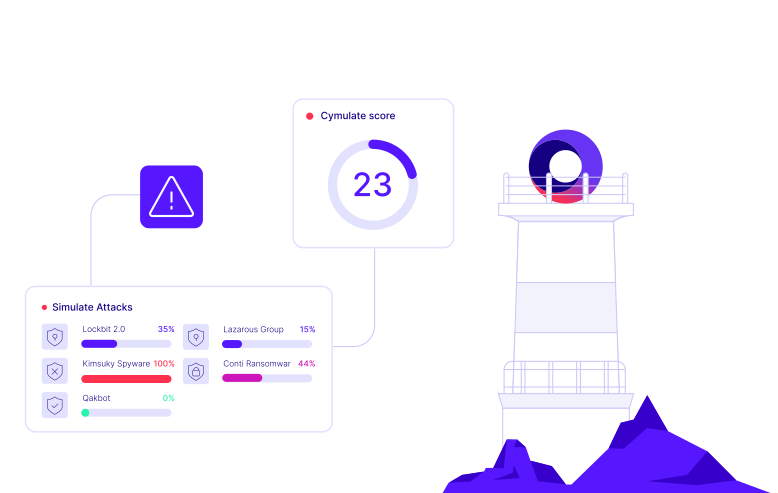

Automate Adversary Simulation
Use real-world adversarial simulations to test and optimize security defenses.
Simulate real-world attacks to validate cyber resilience
Cymulate Exposure Validation applies industry-leading adversary simulation to challenge your defenses with the latest real-world threats.
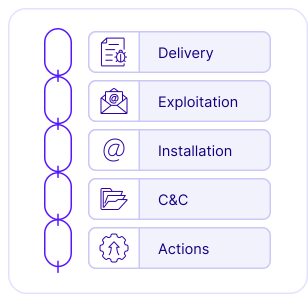
Custom attack chains
Build custom offensive testing for an adversarial attack simulation exercise.
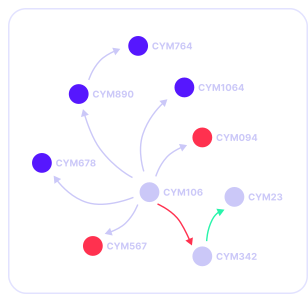
Attack paths
Map attack paths to reveal exposed routes to reach critical assets.
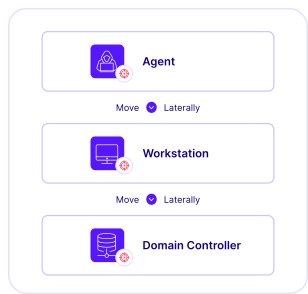
Blast radius and impact
Safely execute lateral movement and test privilege escalation.
Automated adversarial simulation solution benefits
With automation and AI, Cymulate transforms automated adversarial simulation from a periodic exercise into a continuous, proactive defense strategy. Cymulate scales advanced testing for active campaigns and custom threats that target users, systems and networks.
Simplify and automate offensive testing
Increase efficiency
Improve threat detection
Continuously prove threat resilience



Test like an attacker.
Schedule a call with one of our experts.
Support full-spectrum cyber threat simulation and validation
Cymulate Exposure Validation uses cyber threat simulation to validate security controls and harden defenses with real-world testing that identifies control weaknesses and includes policy tuning guidance, automated control updates and custom mitigation rules.

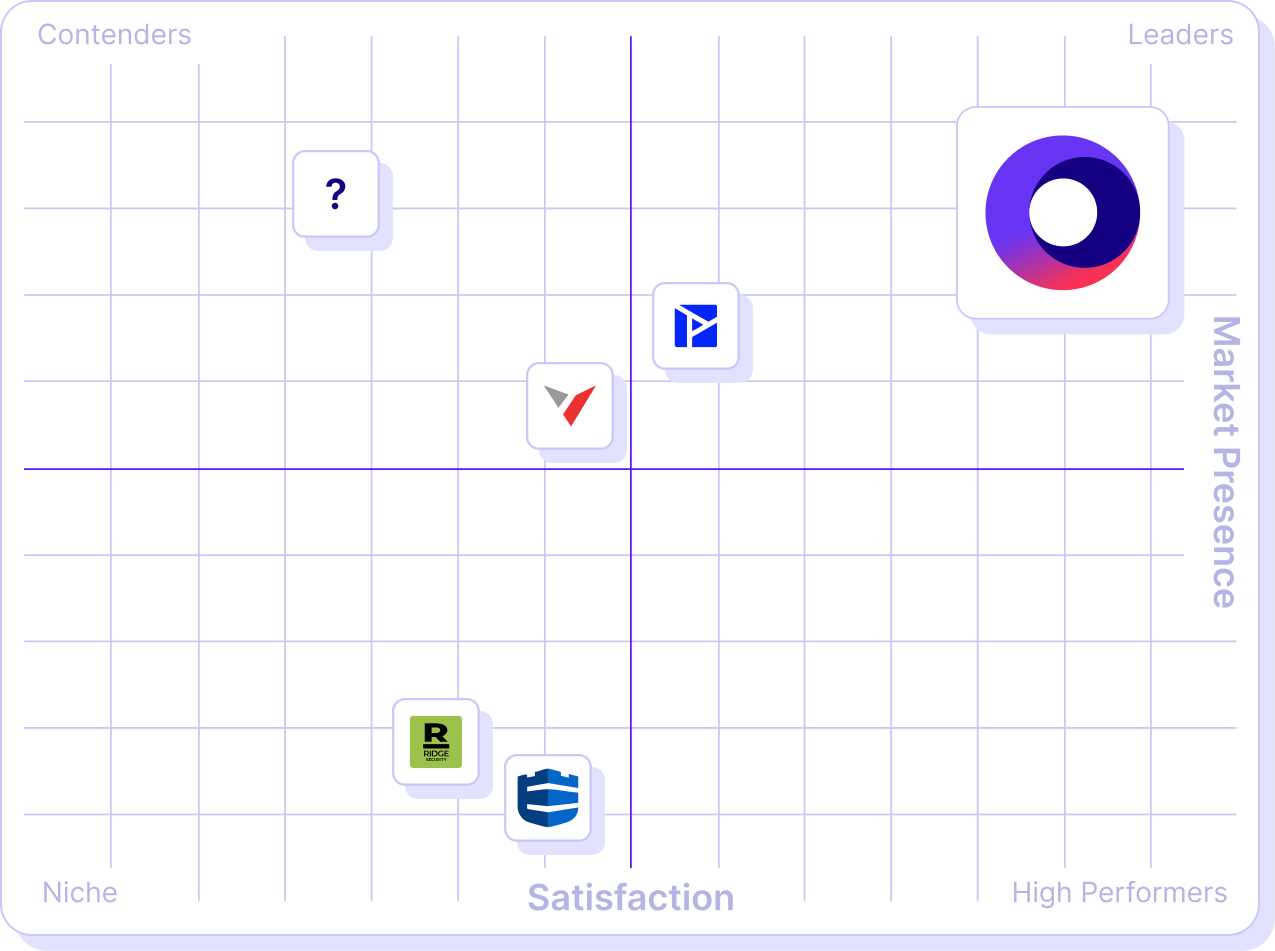
Trusted by security teams worldwide
Organizations across all industries choose Cymulate for exposure validation, proactively confirming that defenses are robust and reliable-before an attack occurs.
Resources on adversary simulation and red team tactics
View More Resources
Cymulate Attack Path Discovery
Discover how to assess lateral movement, identify exposures and improve threat resilience.

Cymulate Exposure Validation
Learn more about automated attack simulations to test and validate your cyber defenses.

Stopping Attackers in Their Tracks
Learn about common lateral movement attacks and how to prevent them
Frequently asked questions
Adversary simulation is the practice of recreating real-world cyberattacks so an organization’s cybersecurity defenses can be evaluated under realistic conditions. Static assessments or theoretical risk models can often miss the mark in determining if your organization is safe from actual threats. Instead, adversary simulation applies actual threat actor tactics. This way, you’ll discover the effectiveness of your ability to detect attacks as well as respond to and contain them.
The practice of adversary simulation provides actionable insight into gaps that traditional security testing methods can miss. Adversary simulation does this by securely and accurately replicating the behavior of a bevy of different threat actors, including cybercriminals, nation-state actors and insider threats. This way, organizations can proactively validate and strengthen their defenses before they can be exploited.
Adversary simulation works through controlled attack scenarios that simulate the adversary lifecycle. This includes:
- Initial access to an environment
- Lateral movement to privilege escalation
- Data exfiltration
Closely mapped to frameworks like MITRE ATT&CK, these simulations are intended to provide realistic scenarios of attacker behaviors.
Using either pre-built scenarios or custom simulations, security teams can replicate emerging threats through adversarial simulation. Exposures, misconfigurations or blind spots can be discovered, which enables faster MTTR and heightened detection.
Adversary emulation and adversary simulation are often used similarly, but they have different purposes. Where adversary emulation seeks to replicate the exact behavior of a known threat, adversary simulation models broader attack techniques and scenarios that are not necessarily those of a single group.
Adversary emulation reproduces that adversary’s documented TTPs, while adversary simulation tests defenses against the types of attacks organizations will most likely face in real life.
| Aspect | Adversary simulation | Adversary emulation |
| Scope | General behavior of attackers and techniques | Specific threat actors |
| Use Case | Broad exposure validation and management | Targeted testing against known adversaries |
| Flexibility | Scenarios can be customized or automated | Limited to a specific adversary |
| Outcome | Identifies overall security gaps and resilience | Deep, scenario-based analysis of precise threat |
Red team adversary simulations move beyond simply checking boxes by exposing how attacks unfold across systems, users and processes. This helps show that a specific security control works in the face of a realistic attack, not just that the control exists.
Through the process of uncovering attack paths, validating detections and stress-testing incident response playbooks, red team adversary simulations accelerate maturity. Your teams get deeper visibility into threat exposures, achieve faster response times and strengthen your posture against threats continuously.
Yes. Cymulate offers an advanced platform that simplifies and enhances adversary emulation for organizations.
- Real-time emulation capabilities: Conduct realistic simulations aligned with the latest threat intelligence.
- Actionable insights: Receive detailed recommendations to address identified gaps and strengthen defenses.
- User-friendly interface: Streamline the emulation process with an intuitive platform designed for both Red Team and Blue Team use.
- Continuous validation: Regularly test and optimize security controls to ensure ongoing protection.
Cymulate not only supports adversary emulation but also complements other security validation practices. Its seamless integration with existing tools makes it a versatile addition to any cybersecurity program.
No, Cymulate won’t overwhelm your SOC with alerts. The solution is designed to optimize SOC efficiency, not overwhelm it. Simulations are executed in a controlled manner, highlighting exposures and gaps in a way that avoids generating excessive noise in production systems.
Your SOC will gain actionable intelligence for enhanced detection rules, fine-tuned controls and optimized workflows so you won’t be chasing hundreds or thousands of low-value alerts. Remediation guidance lets your teams focus on what really matters.
Yes. You can use Cymulate for adversary simulation across hybrid environments. This includes on-premises, cloud, SaaS applications and remote endpoints. To reflect how modern, real-life attackers operate, scenarios follow realistic attack paths spanning cloud workloads to internal networks.
Your organization can validate defenses end-to-end and reduce risk by testing exposures across interconnected systems. This way, a compromise in one environment will be less likely to lead to broader lateral movement and data exfiltration.
Read more: Mitigate lateral movement with IAM and network segmentation
GET A PERSONALIZED DEMO
Ready to run an adversarial attack simulation exercise?
“Through validation, Cymulate helps us understand which vulnerabilities can be exploited in our organization. This helps us focus our limited resources so we can be proactive and remediate before a threat becomes an actual problem.”
– CISO, Law Enforcement